From the Land of Bullfighting to a FIFA World Cup Champion
When people talk about traveling in Europe,
many think of the romance of France or the art of Italy.
But if there is one country known for its passion,
energy, and strong identity, it is Spain.
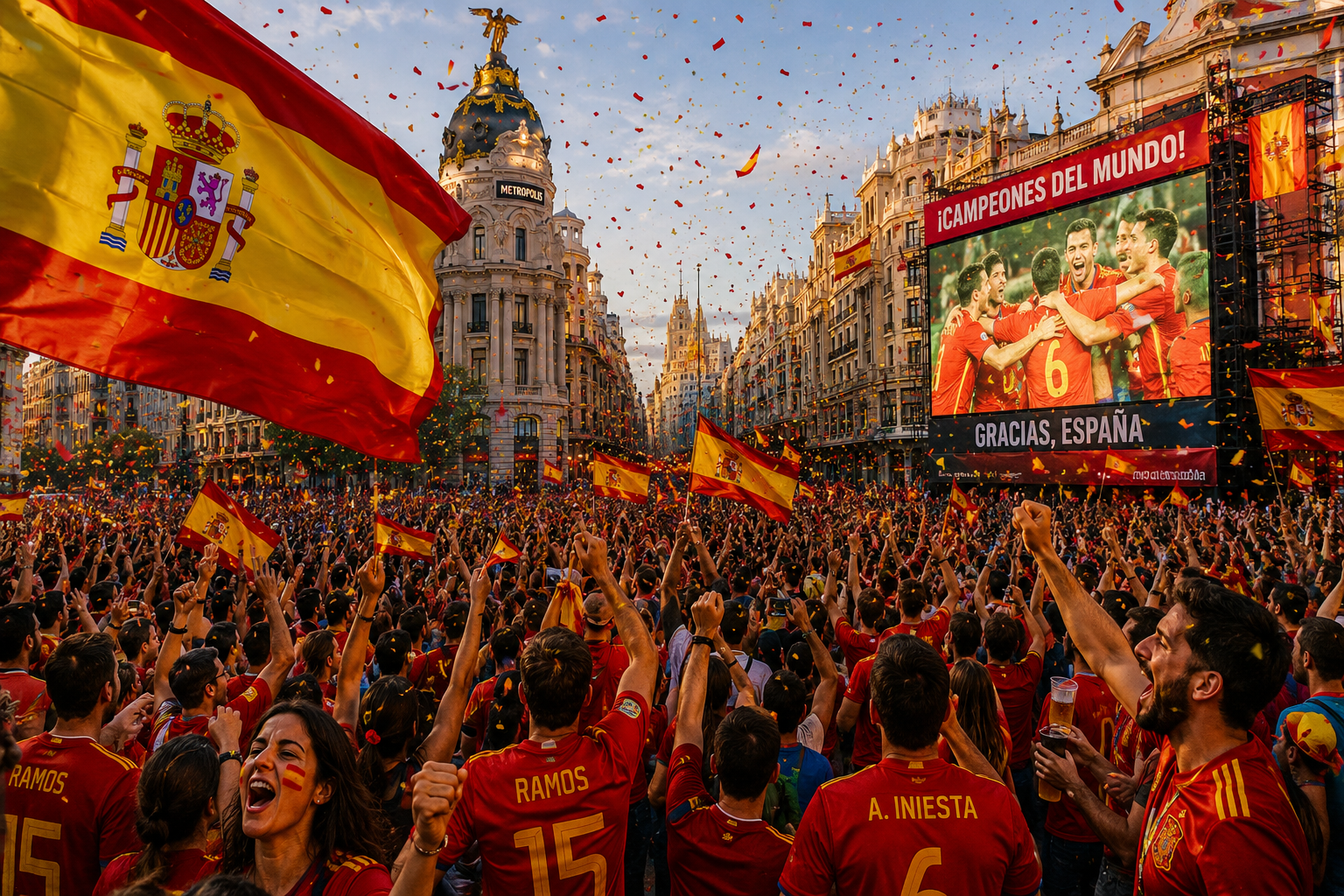
Image: Foot fever
Spain is one of the world's greatest football nations.
It is also famous for
flamenco dancing,
bullfighting,
wine,
Mediterranean cuisine,
beautiful beaches,
and historic architecture.
Traveling through Spain often feels like stepping into a never-ending celebration.
To truly understand Spain, you must understand football.
Football is more than just a sport.
It is a source of national pride, a cultural tradition, and an important part of daily life.
So why are Spaniards so passionate about football?
A Day in Spain Begins in the Plaza and Café
Spanish life revolves around public squares, known as plazas.
In the morning, people gather at cafés to enjoy coffee and conversation.
At lunchtime, families and friends spend long hours sharing meals together.
In the evening, people walk through plazas and streets, enjoying the relaxed atmosphere.
Unlike many fast-paced cultures, Spaniards value time spent talking and connecting with others.
It is common to share small dishes called tapas while discussing football, politics, family, and everyday life.
In Spain, people come first.
This strong sense of community has helped create a culture where social interaction is deeply valued.

The Passion of Flamenco
One of Spain's most famous cultural traditions is flamenco.
The powerful guitar music, rhythmic hand claps, and dramatic dance movements reflect the passion of the Spanish people.
Flamenco is much more than a dance.
It is an emotional art form that expresses joy and sorrow, love and heartbreak, hope and despair.
That same passion can be seen on the football field.
The energy, emotion, and pride displayed by Spanish football players often resemble the spirit of flamenco itself.
Spain: The Historic Land of Bullfighting
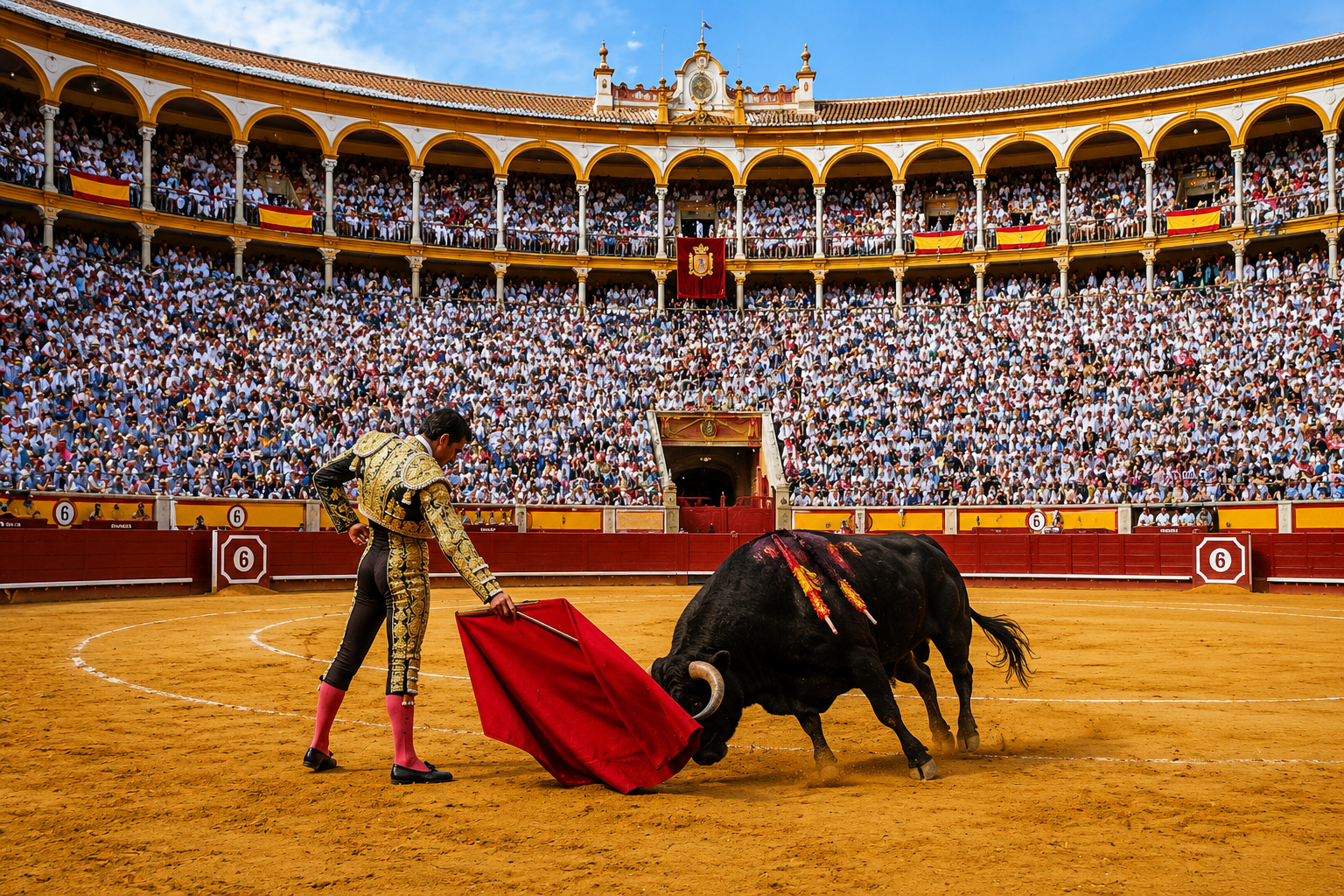
For centuries, many people around the world associated Spain with bullfighting.
Bullfighting has been part of Spanish culture for hundreds of years.
A matador must show courage, concentration, and composure while facing a powerful bull.
Today, bullfighting remains controversial because of animal welfare concerns.
However, its influence on Spanish history and culture cannot be denied.
Many people believe that the determination and fighting spirit seen in bullfighting can also be found in Spanish football.
The ability to stay calm under pressure and never give up has become part of Spain's sporting identity.
Football: Spain's Greatest Modern Passion
Today, football is perhaps the most recognizable part of Spanish culture.
Children play football in streets and parks across the country.
Every weekend, stadiums fill with passionate supporters.
Two of the world's most famous clubs, Real Madrid and FC Barcelona, attract fans from every corner of the globe.
Their rivalry is much more than a sporting event.
It is a cultural phenomenon.
Through football, Spaniards express regional pride, identity, and community spirit.
Decades of World Cup Frustration
Although Spain is now considered a football powerhouse, success did not come easily.
For many years, Spain struggled to reach the top of the football world.
Major World Cup achievements included:
- Quarterfinals in 1934
- Fourth Place in 1950
- Quarterfinals in 1986
- Quarterfinals in 2002
Spain was always respected as a talented team,
but it could never win the ultimate prize.
Instead of giving up, Spain invested heavily in youth development and long-term football philosophy.
Eventually, that patience paid off.
Tiki-Taka Changed World Football
In the late 2000s, Spain introduced a style known as "Tiki-Taka."
The system relied on short, quick passes and constant ball possession.
Opponents often struggled just to touch the ball.
The Spanish national team featured some of the greatest players of their generation:
- Xavi
- Andrés Iniesta
- Iker Casillas
- David Villa
- Sergio Ramos
Rather than relying on individual stars alone, Spain emphasized teamwork, movement, and precise passing.
The result was one of the greatest teams in football history.
The 2010 World Cup: A Dream Comes True
The moment arrived at the 2010 FIFA World Cup in South Africa.
Spain reached the World Cup Final for the first time in its history.
Their opponent was the Netherlands.
After a tense and dramatic match, the breakthrough came in the 116th minute of extra time.
Andrés Iniesta scored the winning goal.
In an instant, Spain erupted in celebration.
Public squares filled with cheering fans.
Spanish flags waved across cities and towns.
For the first time ever, Spain lifted the FIFA World Cup Trophy.
It was a historic moment that united the nation.
A Country of Wine and Festivals
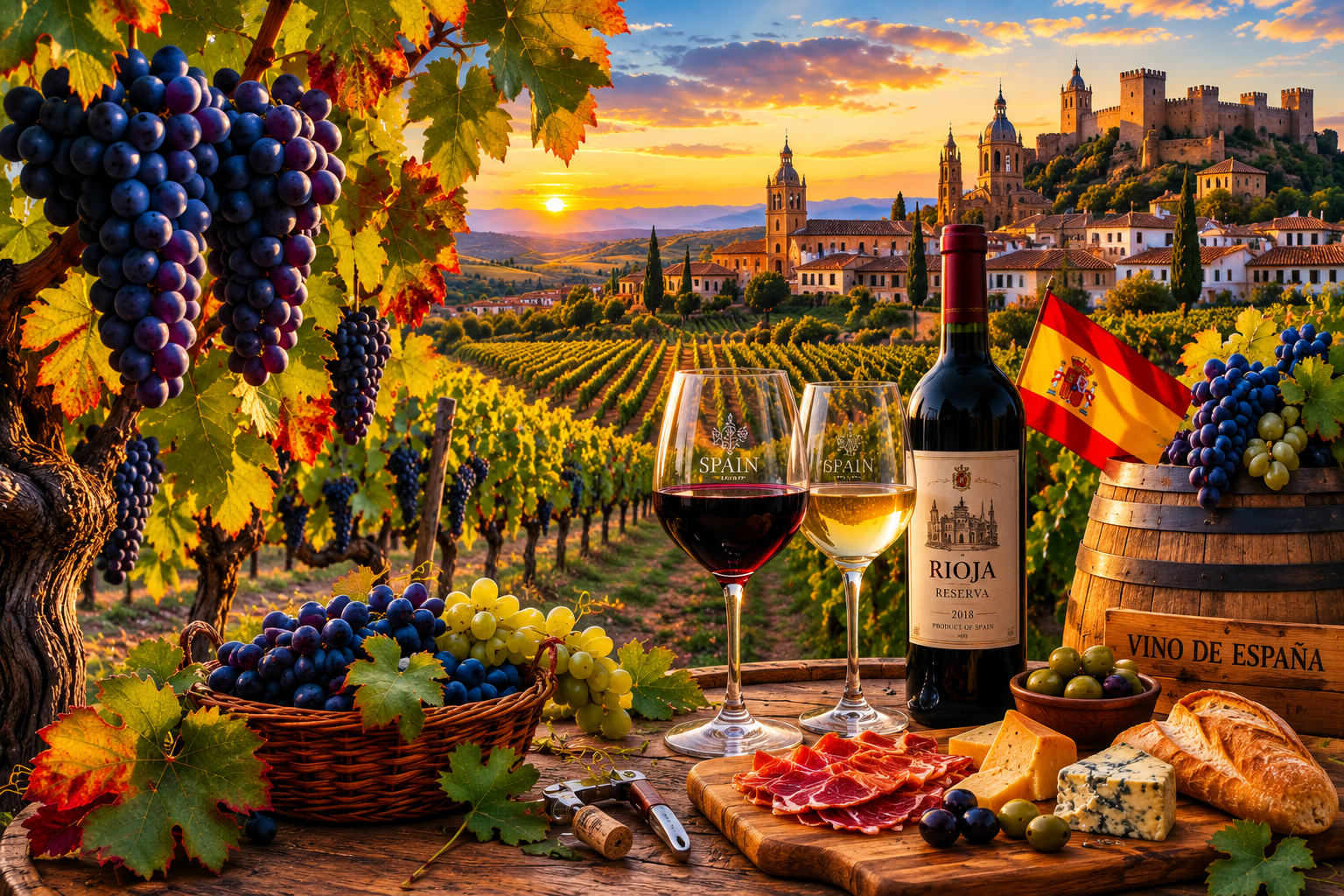
Wine is another essential part of Spanish culture.
Thanks to its ideal climate for grape growing,
Spain has become one of the world's leading wine-producing countries.
The Rioja region is particularly famous for its high-quality wines.
During harvest season, festivals fill towns with music, food, and celebration.
These traditions reflect the Spanish ability to enjoy life and appreciate time spent with family and friends.
The Road to the 2026 FIFA World Cup
Today, Spain is developing a new generation of talented footballers.
Young stars are emerging and preparing to challenge for football's biggest prize once again.
Many football experts consider Spain one of the strongest contenders for the 2026 FIFA World Cup.
Can Spain capture a second World Cup title and recreate the magic of 2010?
Football fans around the world will be watching closely.
Conclusion: Spain Is More Than Football
Spain is far more than a football nation.
It is the passion of flamenco.
The courage of bullfighting.
The relaxed pleasure of wine.
The community spirit of the plaza.
And the football that inspired the world.
Together, these traditions have shaped modern Spain.
Visiting Spain is not simply a trip to another country.
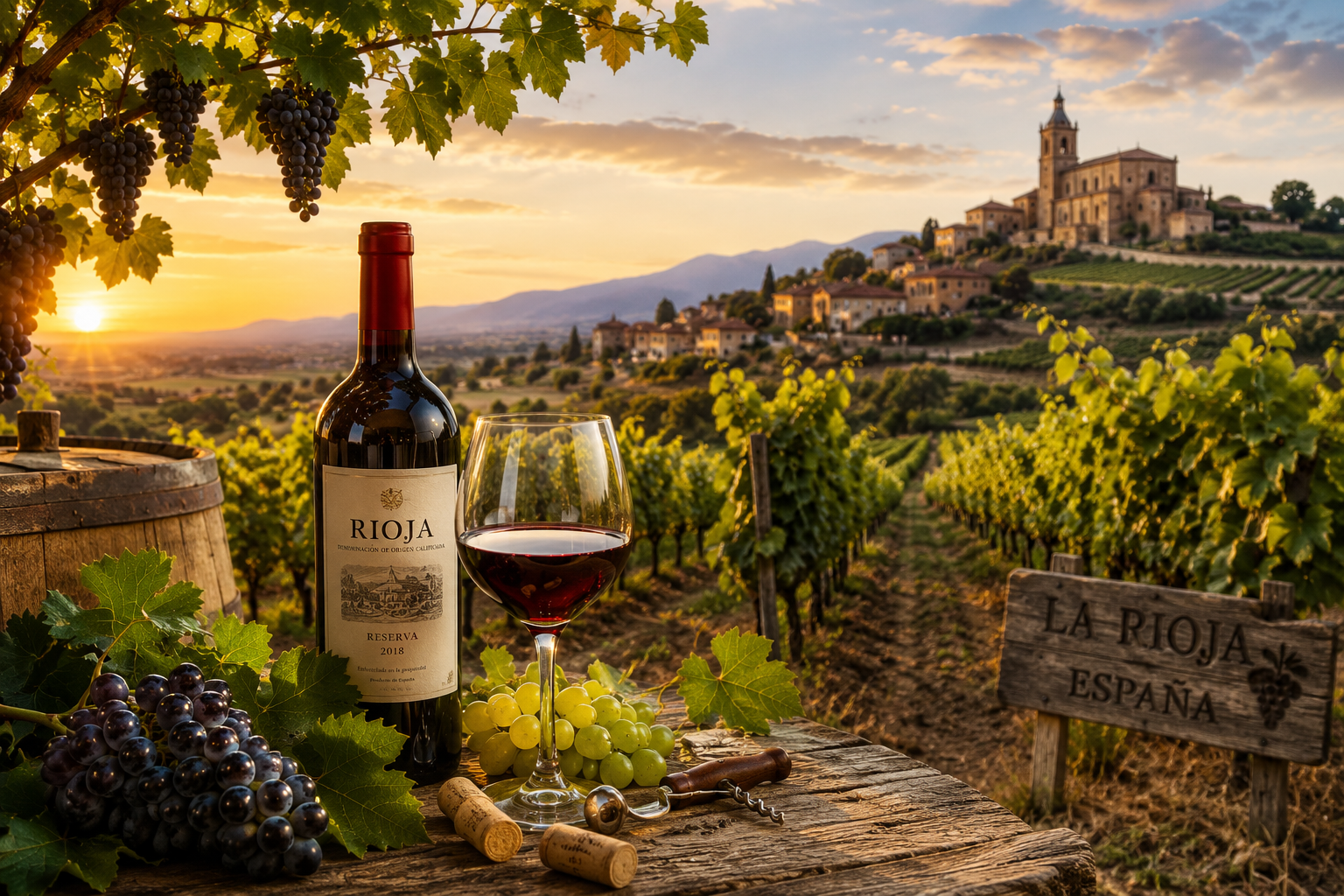
Image: Famous Wine in Spain
It is an opportunity to experience passion, culture, community, and a unique way of life.
From the historic land of bullfighting to the modern home of football artistry, Spain's story continues to inspire the world.
'English Edition > Sports>World Cup' 카테고리의 다른 글
| 아프리카 가나는 왜 축구에 열광할까? (13) (0) | 2026.06.11 |
|---|---|
| Why Is Ghana So Passionate About Football? (13) (0) | 2026.06.11 |
| 스페인은 왜 축구에 열광할까?(12) (0) | 2026.06.11 |
| German Football] The Heart of the "Tank": The 50+1 Rule and the Romance of the Game (11) (0) | 2026.06.11 |
| [독일 축구 열전] 전차군단의 심장, 50+1 룰과 낭만이 공존하는 그라운드(11) (0) | 2026.06.11 |


